
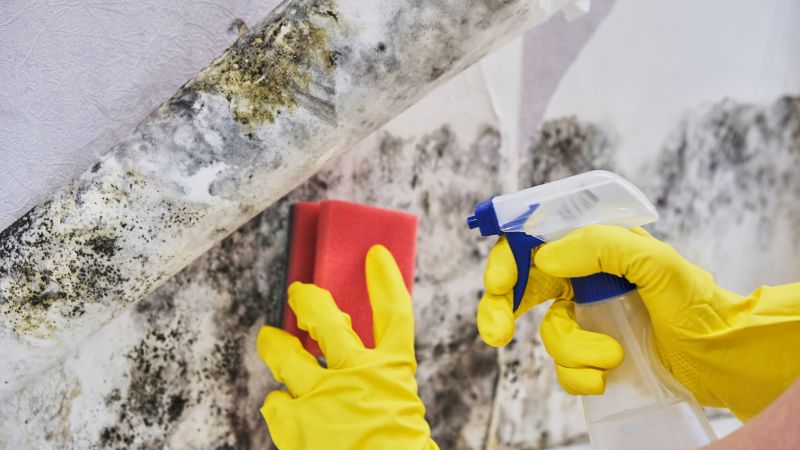
Mold Treatment Service in Essex County, NJ
Mold treatment services focus on identifying and removing mold growth from residential properties. These projects typically involve inspecting areas prone to moisture, such as basements, bathrooms, and attics, to assess the extent of mold presence. The process may include cleaning affected surfaces, applying mold-resistant treatments, and addressing underlying moisture issues to prevent future growth. Property owners often want to understand the scope of mold removal, the methods used to ensure thorough cleaning, and any necessary steps to reduce moisture levels that contribute to mold development.
Before requesting mold treatment, homeowners usually seek information about the types of mold that may be present and the potential health impacts associated with exposure. It is also common to inquire about the importance of addressing water leaks, ventilation problems, or humidity levels that can foster mold growth. Understanding the inspection process, the differences between surface cleaning and more extensive remediation, and the importance of controlling moisture are key considerations for property owners planning to manage mold issues effectively.
Many property owners in Essex County, NJ look into Mold Treatment Service for repairs, replacements, upgrades, and appearance-related improvements.
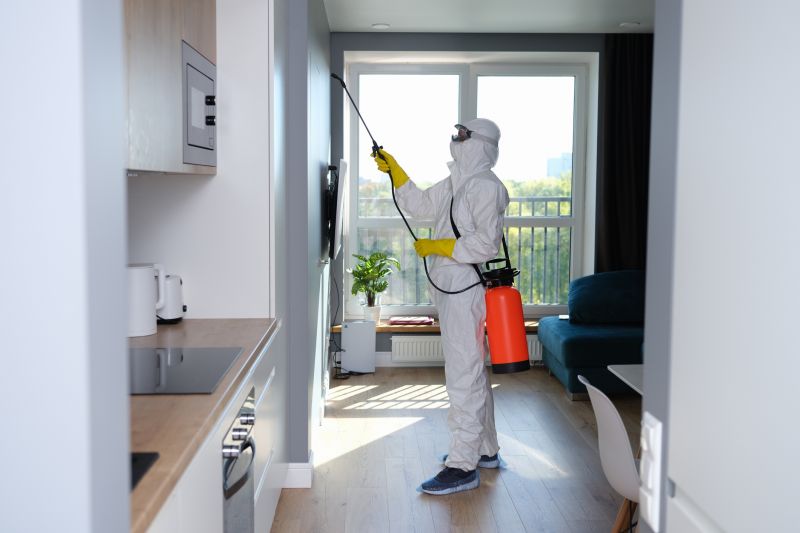
Mold Prevention Strategies
Identifying and addressing moisture issues helps prevent mold growth in homes and businesses.
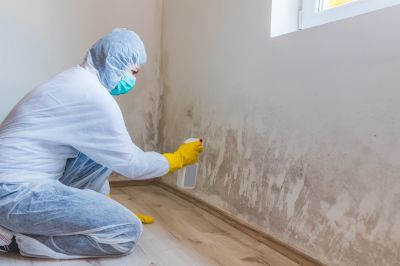
Mold Removal And Cleanup
Effective remediation techniques eliminate mold from affected areas to improve indoor air quality.
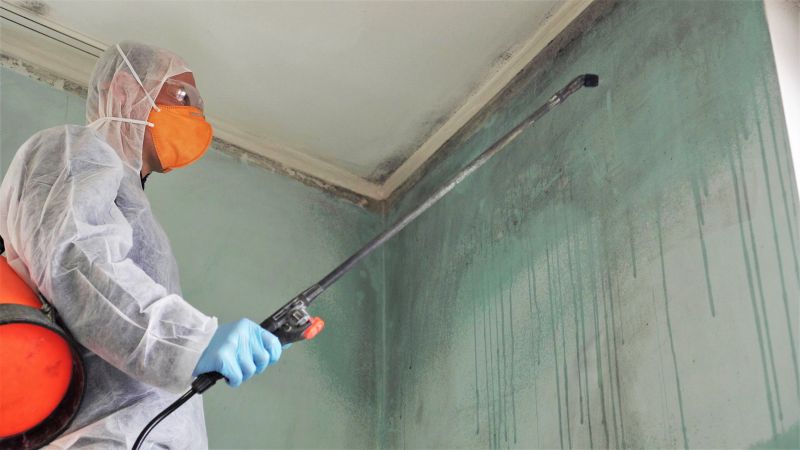
Mold Damage Restoration
Restoring property after mold issues involves cleaning, repairs, and ensuring a healthier environment.
Mold Treatment Service in Essex County, NJ
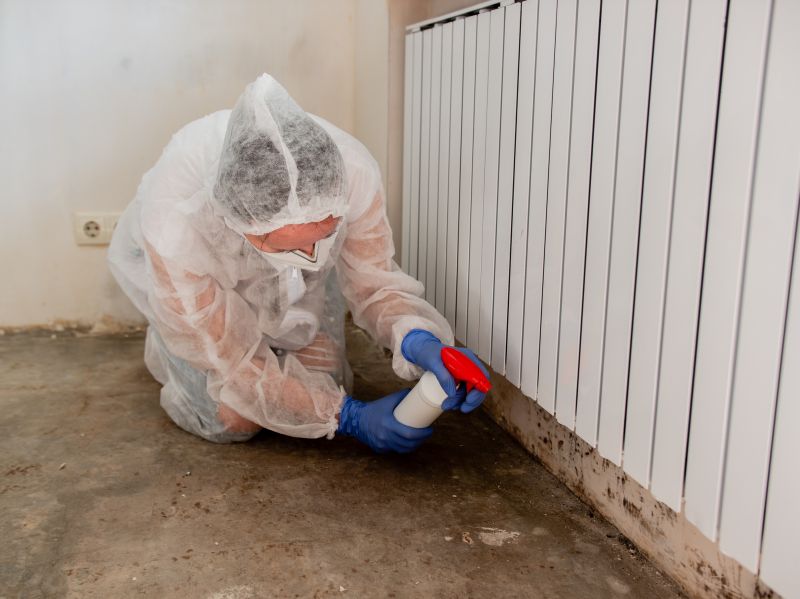
Mold treatment services focus on identifying and removing mold growth from residential properties. These projects typically involve inspecting areas prone to moisture, such as basements, bathrooms, and attics, to assess the extent of mold presence. The process may include cleaning affected surfaces, applying mold-resistant treatments, and addressing underlying moisture issues to prevent future growth. Property owners often want to understand the scope of mold removal, the methods used to ensure thorough cleaning, and any necessary steps to reduce moisture levels that contribute to mold development.
Before requesting mold treatment, homeowners usually seek information about the types of mold that may be present and the potential health impacts associated with exposure. It is also common to inquire about the importance of addressing water leaks, ventilation problems, or humidity levels that can foster mold growth. Understanding the inspection process, the differences between surface cleaning and more extensive remediation, and the importance of controlling moisture are key considerations for property owners planning to manage mold issues effectively.
Many property owners in Essex County, NJ look into Mold Treatment Service for repairs, replacements, upgrades, and appearance-related improvements.
Common Mold Treatment Service Jobs
Mold Remediation - removal of existing mold growth from affected areas to improve indoor air quality.
Mold Prevention - treatment solutions to inhibit future mold growth on surfaces and in moisture-prone areas.
Water Damage Repair - addressing leaks and excess moisture that can lead to mold development.
HVAC Mold Treatment - cleaning and treating heating and cooling systems to prevent mold circulation.
Basement Mold Control - specialized services to eliminate mold in damp, underground spaces.
Surface Cleaning and Disinfection - thorough cleaning of surfaces to reduce mold spores and prevent regrowth.
Mold Treatment Service Questions
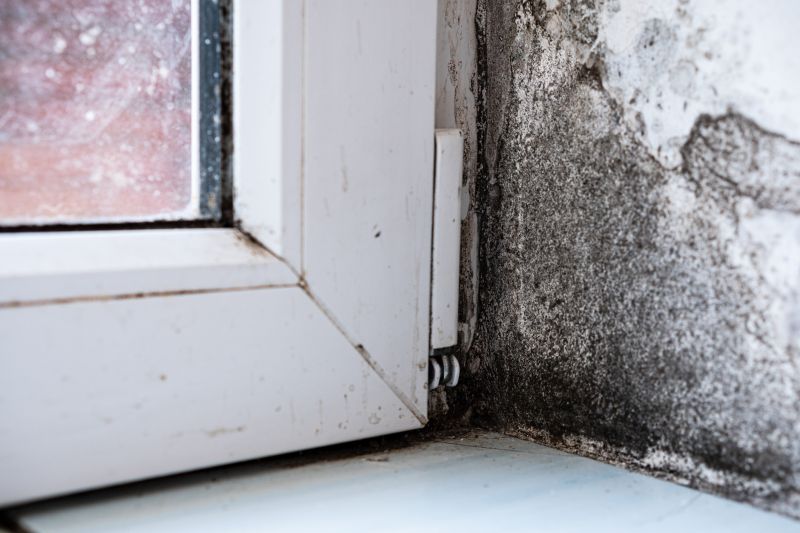
What types of mold issues are common in homes? Mold often develops in areas with excess moisture, such as bathrooms, basements, and around leaks, leading to visible growth or musty odors.
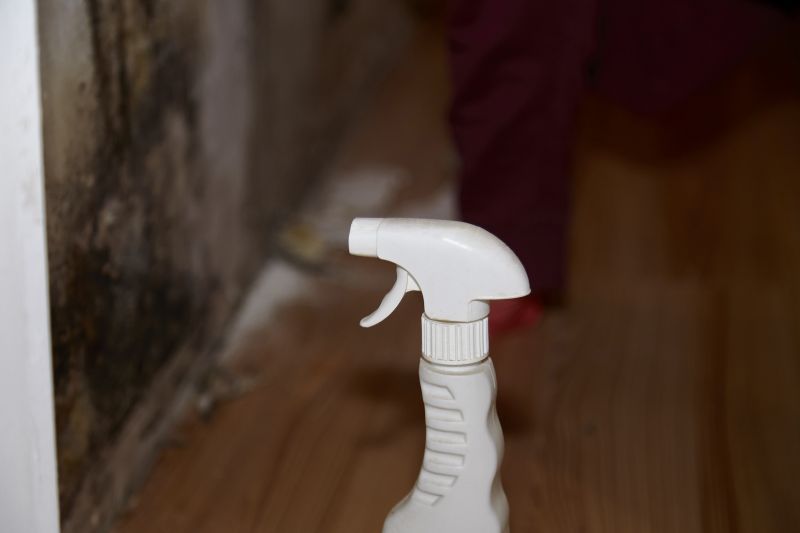
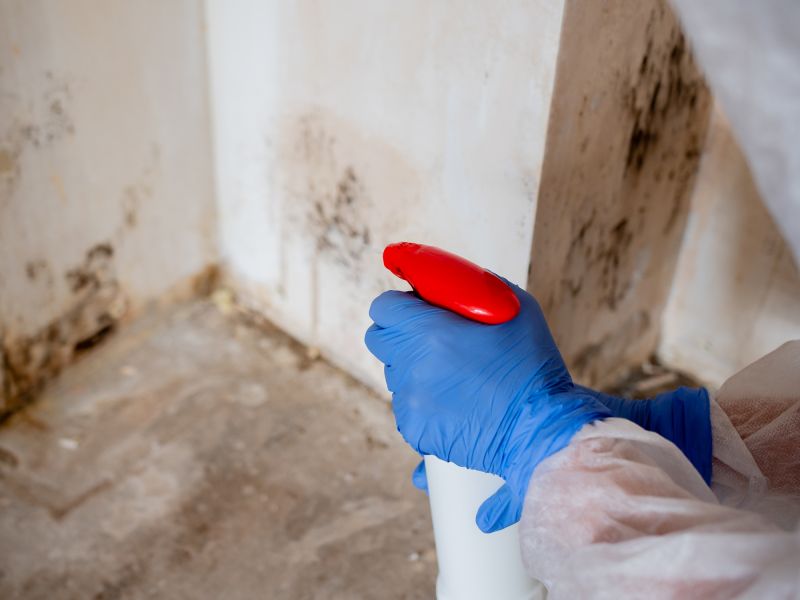
How is mold treated in residential properties? Treatment involves identifying the source of moisture, removing affected materials, and applying specialized cleaning agents to eliminate mold spores.
Can mold growth be prevented after treatment? Yes, controlling humidity levels and promptly addressing leaks or water intrusion helps prevent mold from returning.
What signs indicate a mold problem may exist? Signs include visible mold growth, persistent musty smells, and health symptoms like allergy-like reactions among residents.
Request Mold Treatment Service in Essex County, NJ
Use the quote form on this page to share the basics of your project and request more information for the type of work you need.